University of St Andrews
Younger Hall Upgrades
Project Overview
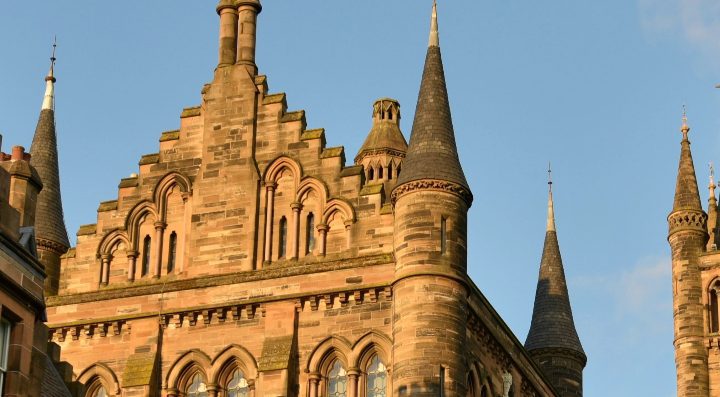
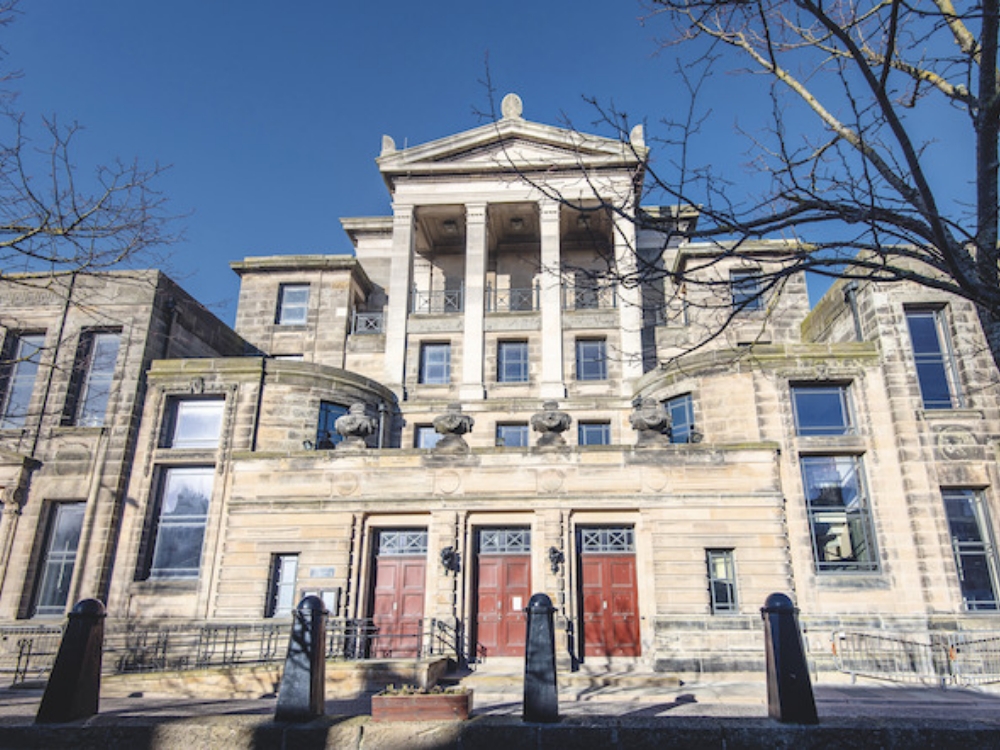
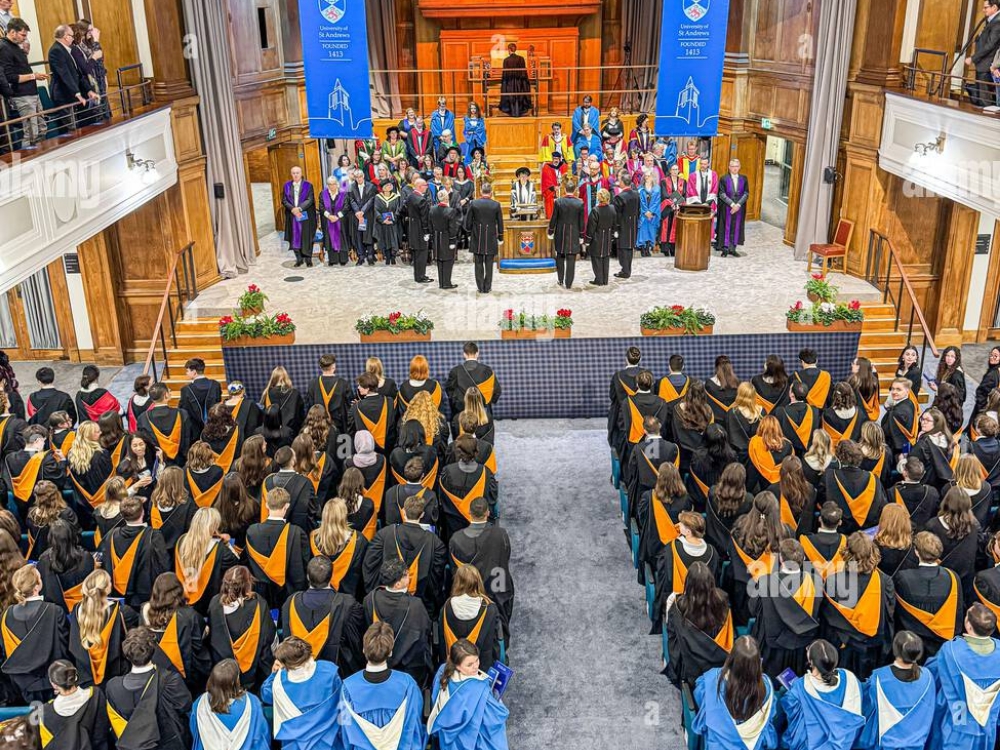
Taylor and Fraser were appointed as Principal Contractor to deliver a phased programme of advanced works and refurbishment at Younger Hall, a prominent historic building located on North Street in St Andrews. Constructed in the 1920s in a distinctive Neo-Classical and Art Deco style, Younger Hall is a key landmark for the University of St Andrews and the wider town. The building is Grade B listed, with later Grade A listed status internally, and plays a central role in university life, hosting graduation ceremonies, concerts, performances, and academic events, while also accommodating the University’s Music Department. The works formed part of the University’s long-term strategy to safeguard the building’s heritage while improving accessibility, functionality, and building performance.
Client
University of St Andrews
Location
St Andrews
Programme Duration
36 months
Taylor And Fraser Role
Principal Contractor
Taylor and Fraser Role
Taylor and Fraser delivered both Phase 1 advanced works and the subsequent Phase 2 refurbishment. Phase 1 focused on enabling works and external fabric repairs, preparing the building for the main refurbishment phase. This included renewal of lead roof coverings, masonry repairs to all external façades, window replacements, asbestos removal, and the repair and renewal of metalwork railings and gates.
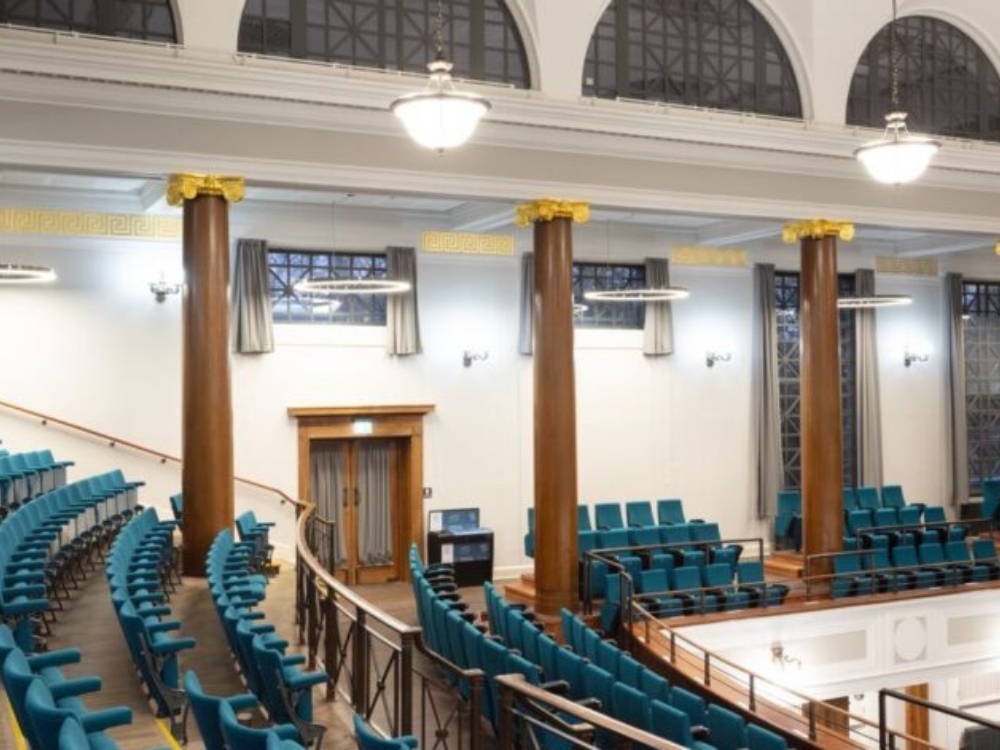
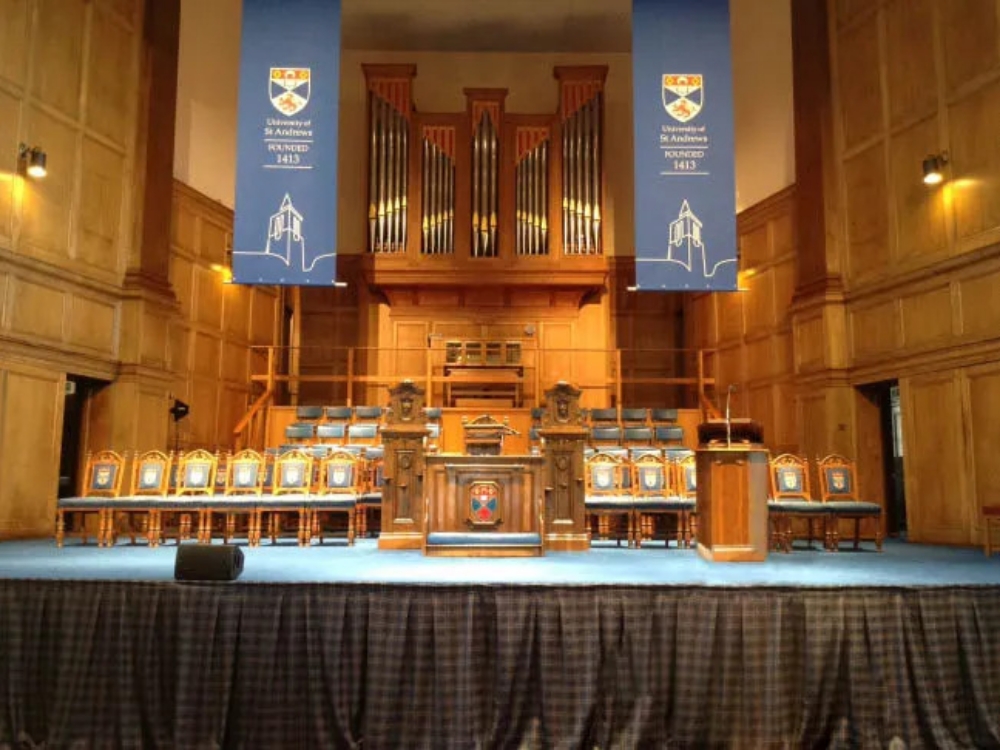
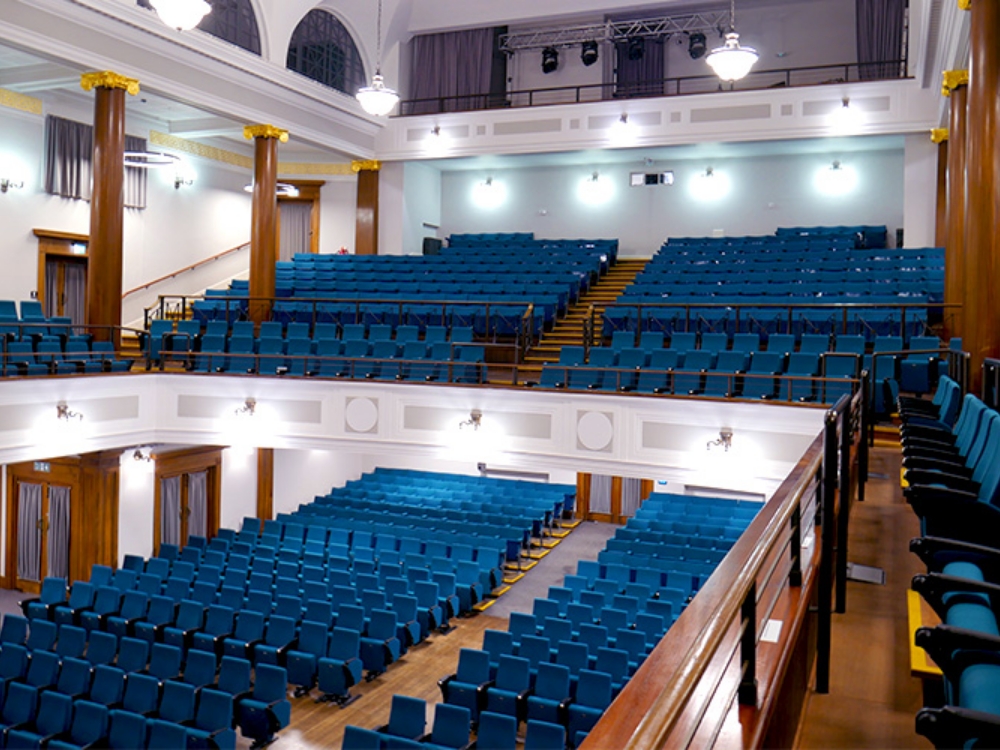
Phase 2 delivered the comprehensive refurbishment of the 1,000-seat hall. Works included structural alterations and two new extensions, installation of new structural steelwork, and upgrades to mechanical and electrical services. New power, data, lighting, and emergency lighting systems were installed, alongside alterations to mechanical systems to improve performance and resilience. Specialist plasterwork, decorative finishes, and bespoke fit-out works were completed, including new theatre seating and the careful refurbishment of historic seating. Key heritage features, including the iconic sprung timber dance floor, were retained and protected throughout.
Key Challenges
Delivering works within a listed building of this scale required careful planning and sequencing. Phase 1 works involved repairs to 22 interdependent roofs across five levels, creating complex access and sequencing constraints. Due to the need to progressively strike and re-erect scaffolding, works could not be undertaken in parallel, making the programme highly dependent on a top-down sequencing strategy and weather conditions.
The listed status of the building required close coordination with multiple specialist subcontractors and careful management of bespoke elements with long lead times, including seating sourced from overseas. Protecting the interior of the hall was a key priority, particularly with summer graduation ceremonies scheduled immediately following completion. Weather risk management and temporary protection strategies were therefore critical to maintaining programme certainty.
Our Approach
Taylor and Fraser adopted a collaborative approach, working closely with the University and specialist contractors through regular coordination meetings and clear communication. A strong focus on planning, quality assurance, and right-first-time delivery minimised rework and ensured the works were completed safely and efficiently.
The Outcome
The project success fully reinstated and modernised a key university research facility, delivering state – of – the – art laboratory environments capable of supporting advanced biomolecular research. The completed building meets all current building regulation and laboratory compliance requirements and provides a resilient, future – proofed research environment following the significant fire incident, reinforcing Taylor and Fraser ’ s capability to deliver complex multidisciplinary projects within live academic estates